Quick, picture an earthworm! Chances are, the one you’re imagining wriggling in your mind right now is about 4-10 inches long. But did you know the biggest earthworms can grow up to almost 10 feet? And, of course, the Giant Gipsland Earthworm can be found in Australia.
Worm farming, also known as vermiculture, is an eco-friendly practice that involves breeding and growing worms, primarily for composting purposes. The worms within the worm farm break down organic waste and produce nutrient-rich compost. This composting method is quickly gaining popularity and it’s easy to understand why. Gardeners enjoy the excellent soil that it produces for their flowers and crops, chicken farmers love how this allows them to basically produce free food for their animals, city-dwellers take advantage of the quick and odor-free way (!) this allows them to dispose of their organic waste and environmental enthusiasts in general recommand it for its sustainable benefits.
But what exactly is worm farming, and how does it work? In this guide, we will explore the fundamentals of worm farming and answer some of the most commonly asked questions.
The 3 most important things about worm farming
- Worm farming is an eco-friendly way to reduce organic waste – Worms break down food scraps into nutrient-rich compost, reducing landfill waste and greenhouse gas emissions.
- A balanced diet is crucial for your worm’s health – Worms thrive on fruit and vegetable scraps, coffee grounds, paper, and many other organic waste products. However, you should avoid giving them dairy, meat, and citrus peels and several other foods.
- Starting a worm farm is simple and cost-effective – You can easily find all the material you need to get started online. All you need is a well-ventilated container, bedding material, and a steady supply of food scraps. Check out our favorite worm farming tools right under this section !
The 5 Best worm farming tools
How Does Worm Farming Work?
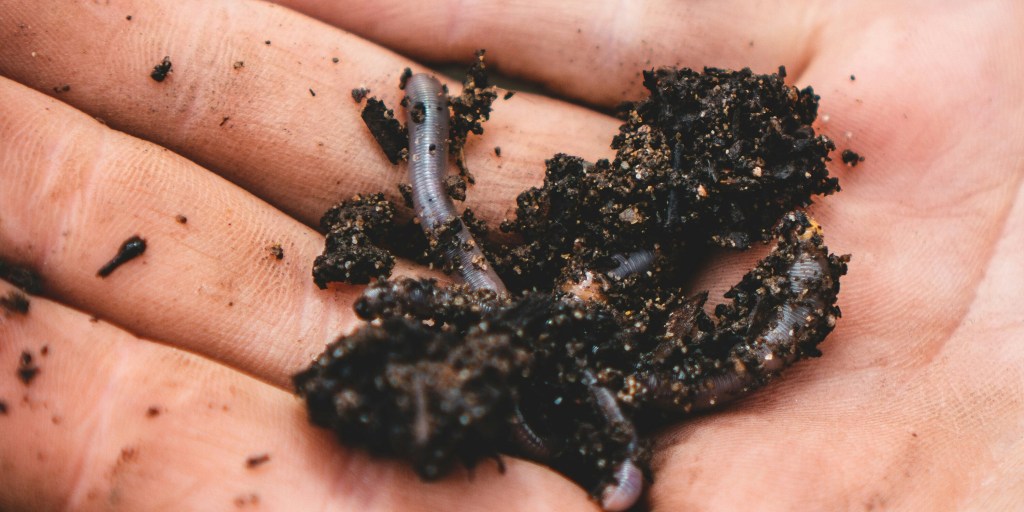
Worm farming is based on the natural process of decomposition. Composting worms consume organic waste, breaking it down into worm castings—an excellent natural fertilizer. Red wigglers (Eisenia fetida) are the most commonly used earthworms for worm farming but several other earthworm species can also be used.
The worm farming process involves setting up a worm bin, providing bedding material like shredded newspaper, and regularly adding food scraps such as fruit and vegetable peels. Over time, the worms digest the waste and produce rich, organic compost that can be used to enhance soil health for plants and/or corps. As the worms reproduce, you can also use the worms themselves to feed your chicken or go fishing.
A worm farm is extremly easy to set up and to manage. However, you still need to follow some fundamental rules.
How to Start Worm Farming on your own
Starting a worm farm is actually pretty simple and requires minimal investment. Let’s find out what the different steps are to get your worm farm up and running in no time !
- First, choose a container with proper ventilation and drainage. If you’re feeling unsure about the type of container that you should buy, you can always buy one. There are several very good options available online.
- Add some bedding material such as shredded cardboard or coconut coir to create a comfortable cushion for the worms. This allows them to hide from the heat and unfavorable environment until they produced enough soil to bury themselves into it. You can also add a bit of soil to make your worm farm more welcoming. Introduce a starter population of composting worms that you can easily buy online.
- Add food scraps after a few days of your worms getting used to their new house. It’s better to start with smaller quantities and gradually increase the quantity of food you give them to avoid overfeeding. Make sure to balance out your greens (nitrogen-rich materials including fruit and vegetable scraps, coffee grounds, tea bags, fresh grass clippings, …) and your browns (carbon-rich materials such as shredded paper, cardboard, dried leaves, coconut coir, …).
- Maintain the bin by checking on it every other day. Make sure it hasn’t dried out (especially in summer), avoid overfeeding your worms by making sure the food scraps are not rotting and harvest the compost every few months. Yes, it can be that easy if your worm farm is healthy.
That’s basically it! Sounds easy? It IS that easy!
What Do Worms Eat in a Worm Farm?
Composting worms thrive on organic waste, but not all food scraps are suitable. They prefer, among other organic « ingredients », fruit and vegetable peels, coffee grounds, tea bags, eggshells, and shredded paper. However, they should not be fed dairy products, meats, oily foods, or citrus peels, as these can cause odors and attract pests. A well-balanced diet ensures healthy worms and efficient composting.
conclusion
Whether you’re looking to reduce your overall amount of (organic) waste, improve the health of your garden’s soil, or want to produce enough worms to feed your chickens or go fishing, worm farming offers an easy and eco-friendly solution with significant benefits. It is easier and cheaper than you might think. Let’s get started today!

 THE HUNGRY FARM